


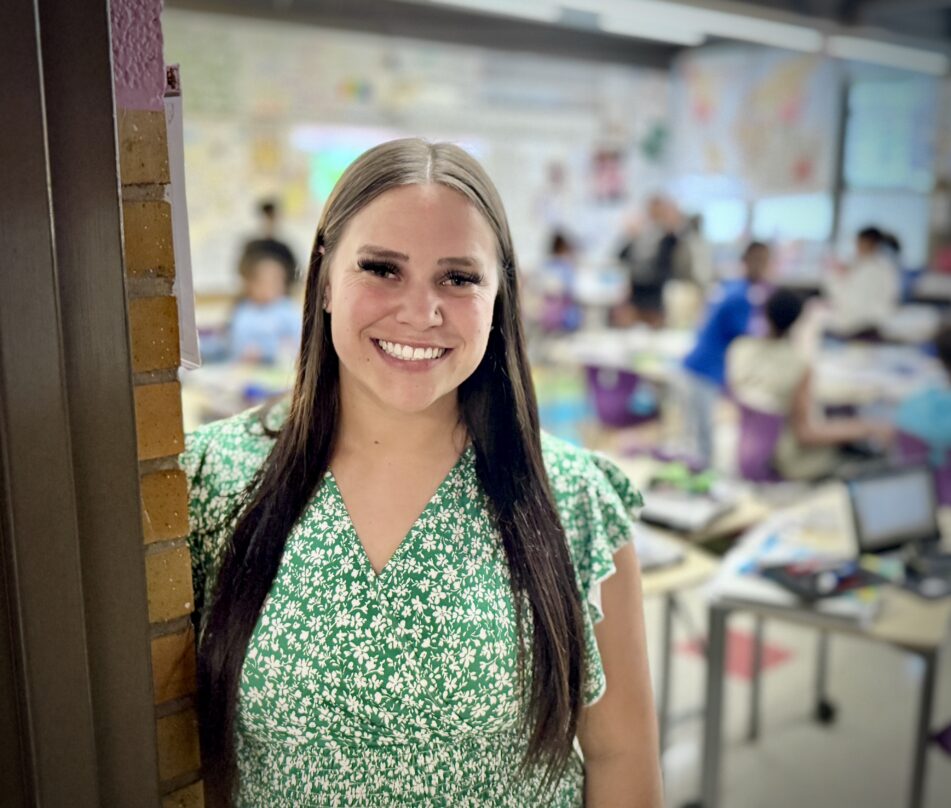
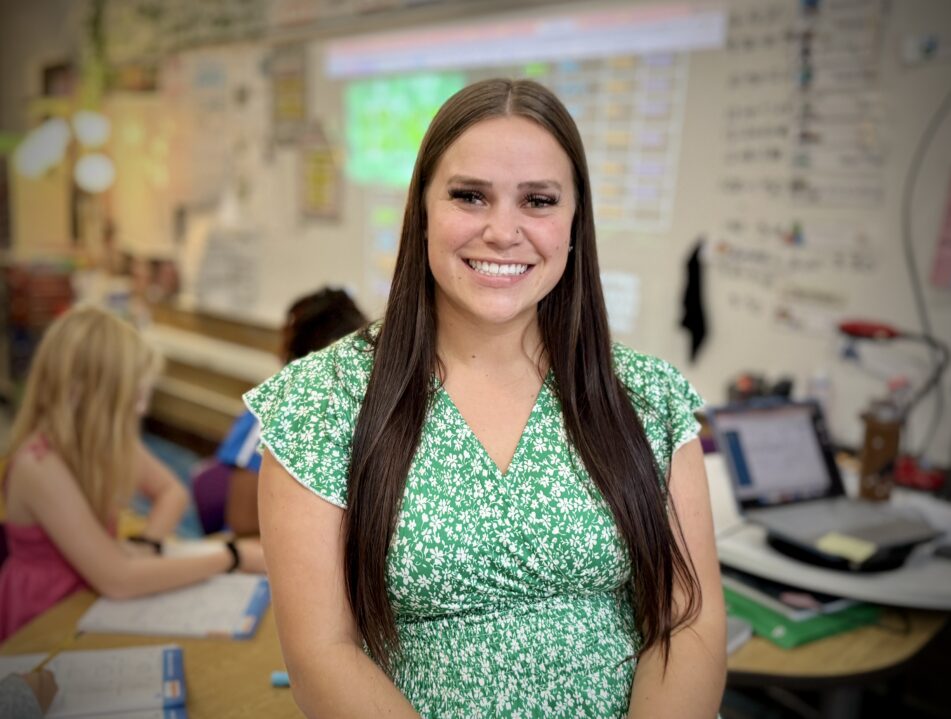
Pattengill Elementary fifth grade teacher Elizabeth Homan is in her seventh year of teaching. She grew up in the small town of Napoleon, Ohio, where she was encouraged from an early age to take on leadership roles. She served as captain of her soccer, basketball, and softball teams for two years, experiences that have shaped how she views leadership today as not being the loudest person in the room, but helping others, listening, encouraging those around her, and being someone others can count on.
Homan holds two master’s degrees in Educational Psychology from Eastern Michigan University, as well as a master’s degree in TESOL from Western Michigan University. She is currently pursuing a third master’s degree in Curriculum Design and Development through American College of Education. Her educational background has strongly influenced her approach to teaching, leading her to consider not only what students are learning, but also how they are learning, what may be getting in their way, and how she can adapt her teaching to better support them.
Homan spent her first two years teaching fourth grade in Romulus before joining the Ann Arbor school community. She is now in her fifth year at Pattengill, where she teaches fifth grade. She particularly enjoys working with fifth graders as they begin to develop their own strong personalities, opinions, interests, and ideas. Homan loves guiding students through this important stage while holding them to high academic and personal expectations.
Principal Valeska Bass admires Beth Homan’s commitment to continually growing as an educator and seeking out professional development that strengthens her ability to support student learning. She has also created a strong sense of community in her fifth-grade classroom, while taking the time to build meaningful, individual connections with every student, Bass said.
“Beth actively engages parents in a variety of ways and fosters independence by giving students ownership of their classroom experience,” she said. “She creates an environment where students take the lead in their learning, regularly engaging in student-led discussions, teaching, and collaboration.”
Why did you want to become a teacher, and why fifth grade?
Becoming a teacher truly felt like my calling. From a young age, I always felt like teaching was a gift that I had. I was the person my classmates would come to when they needed help studying for a test or understanding something they were struggling with. I genuinely enjoyed helping people understand something that had initially felt difficult to them.
I also remember not always feeling like I had much of a say in my own classroom community when I was a student. That experience really stuck with me. I knew that if I became a teacher, I wanted my students to have a voice and feel like an important part of the classroom, while still ensuring they met the standards and experienced academic success.
I knew I wanted to teach upper elementary because I think this is such an important time for students. They are figuring out who they are, developing their own opinions, and becoming more independent. They need someone who will lead them with kindness, but also someone who will hold high expectations, provide consequences when needed, and believe in them even when they are struggling.
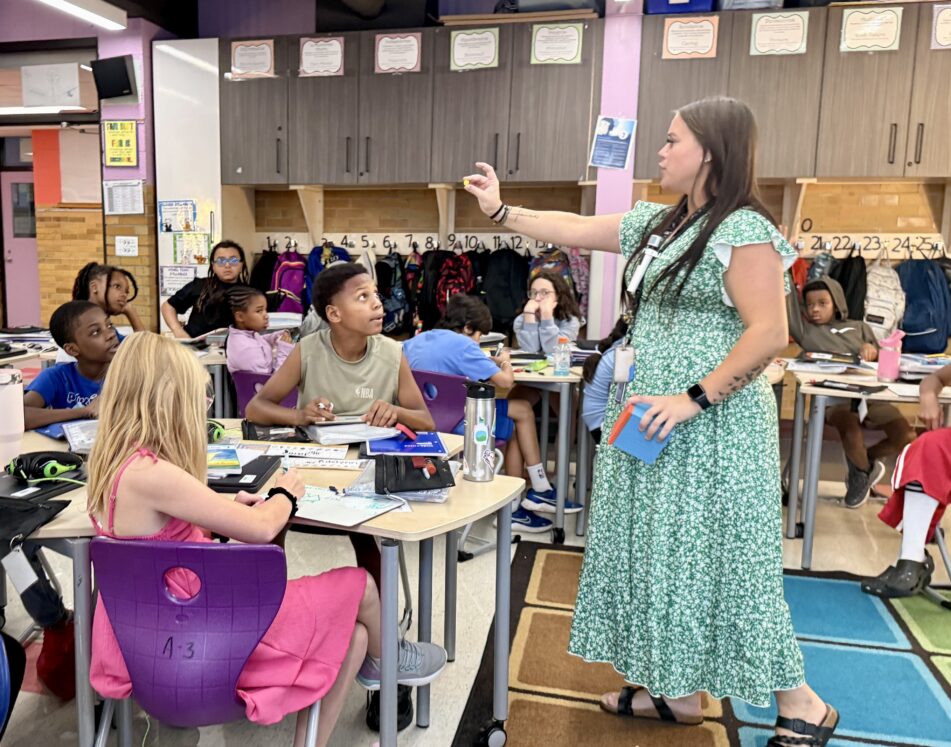
You are known for continually seeking new ways to support student learning. How do you bring what you learn through professional development back into your classroom?
The first thing I do when I notice a student is learning in a unique way is to go directly to the student. I want to understand what they are experiencing before I immediately decide what strategy I should use. Sometimes the best information comes from simply asking a student, “What would help you understand this better?”
I also learn a lot through professional development, but I think there is a big difference between hearing about something and actually seeing it work. When I learn about a strategy in PD that I think could benefit my students, I often find an expert in that area and ask questions, observe, or learn from them. I really believe in going to people with experience in something rather than assuming I already know everything.
Then I try it in my classroom, watch how students respond, and reflect on whether it actually helped. If it did not work the way I expected, I would adjust it. I think professional development is most valuable when it actually changes something we do for students.
What does a strong sense of classroom community look and feel like to you, and how do you intentionally build that community among your students?
To me, a strong classroom community is student-run. Students should feel responsible for themselves, but they should also feel responsible for the people around them. I want students to hold each other accountable, help one another, and feel comfortable asking for help.
A strong community feels safe, respectful, fun, and inviting. I want students to feel like they can be themselves while also understanding that their choices affect everyone else.
We intentionally build this throughout the year. At the beginning of the year, students work together to create our classroom essential agreements. They think about what they want our classroom to look like and feel like, and what we need to do to make that happen.
I also believe strongly in restorative conversations. When something happens, I want students to understand the impact of their actions rather than simply receive a consequence and move on. We talk about what happened, how it affected others, and what we can do differently next time.
One of your strengths is making meaningful connections with each student. How do you get to know students as individuals and build relationships with them?
I try to start building relationships with students as soon as they enter Pattengill in third grade. Since I only get them for one year in fifth grade, I feel like I have to be intentional about building those relationships from the very beginning.
Every morning, I ask students different questions. Sometimes it is as simple as asking about their weekend, and other times it might be a technology question, a “would you rather” question, a question about building a better community, or our favorite Friday question. These little conversations tell me so much about students beyond their academics.
I also meet with students monthly to talk about their academic goals. We look at their growth, talk about what they are proud of, and discuss what they want to work toward next. I want students to know that I see them as a whole person, not just as a test score or a grade.
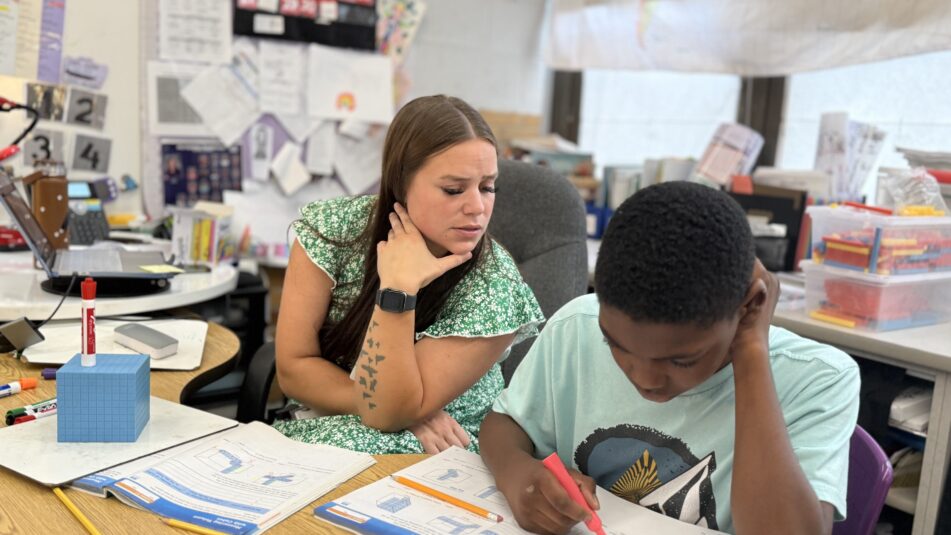
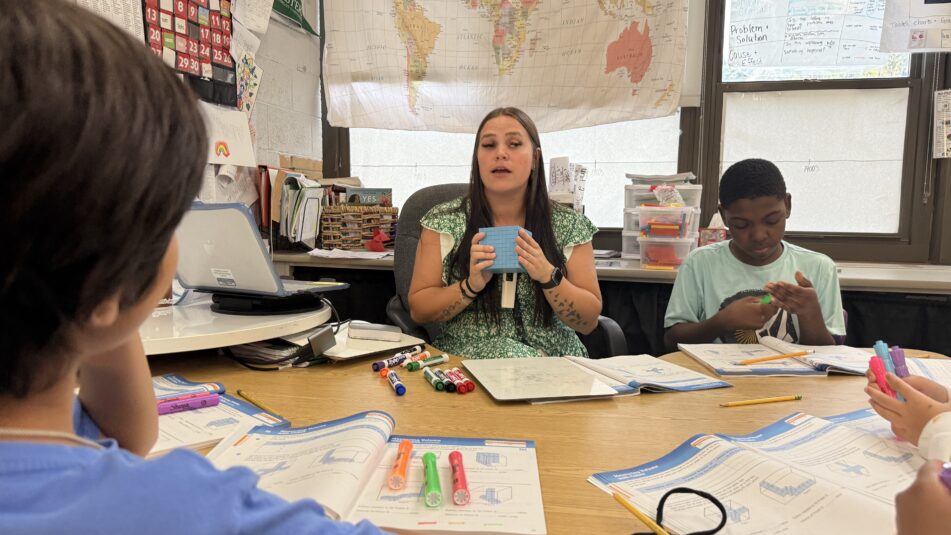
How do you create opportunities for parents and families to be active partners in their child’s learning and classroom experience?
I really believe families are an essential part of a student’s success because they know their child in a way that I never could after only knowing them for one school year. I am very open with families about what I am noticing, including areas where their child is doing well and areas where we may need to grow.
I invite families to come into the classroom and support student learning whenever their schedules allow. I also encourage families to sign up as chaperones for field trips because I love it when families get to experience the school environment alongside their children.
I try to communicate positive things home, not just concerns. Families receive weekly newsletters and home links so they can see what we are learning. I send work home that has been completed and looked over by me so we can all have a better understanding of what the student has mastered and where they may still need support.
Most importantly, I want families to feel comfortable asking questions or bringing concerns to me. I always remind myself that ultimately, they know their child best, and I want us to work together.
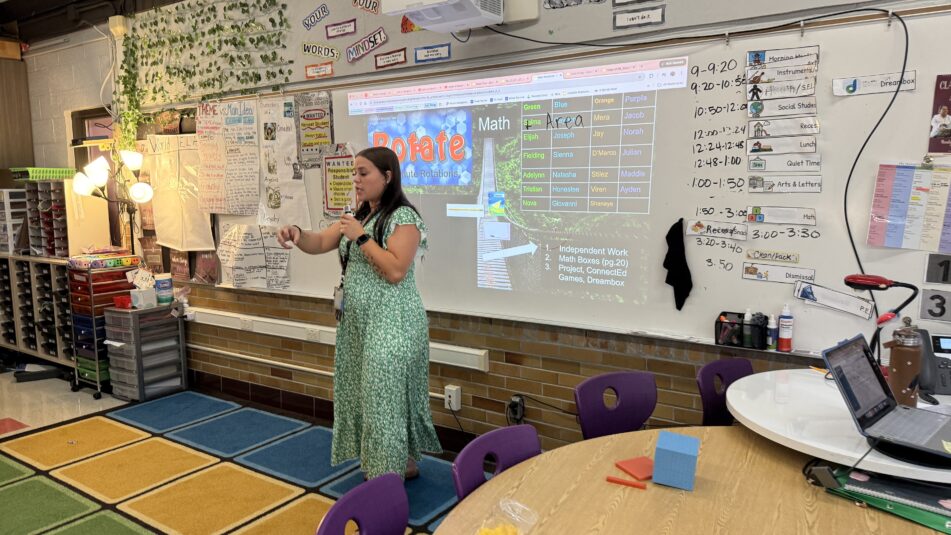
Independence is an important part of your classroom. What strategies do you use to help students become confident, responsible, and independent learners?
I use a lot of visuals and visually scaffolded supports in my classroom because I want students to have tools they can use without always needing me standing next to them. I break tasks into steps and provide examples so students can begin to take ownership of the process.
I also encourage students to prove their way of solving a problem. Sometimes students can have the exact same answer, but their thinking can look completely different, and I think that is a wonderful thing. I want students to analyze how someone else solved a problem and recognize that there can be multiple successful ways to get there.
I also make a huge push that asking for help does not mean you are less intelligent. It means you have the confidence to recognize that something is challenging and the resilience to seek out the support you need. I think that is a life skill that will help them far beyond fifth grade.
Your students frequently take the lead in conversations, teaching, and learning. Why is student voice and ownership important to you, and what does that look like in your classroom?
I absolutely love student voice in my classroom. When students are talking, analyzing, creating, and explaining their thinking, they constantly surprise me with how deeply they are able to think.
As students get older, they have their own thoughts, ideas, interests, and opinions. I want them to have opportunities to bring those things into their learning. When students can connect their interests to what we are learning, they become much more invested because the learning becomes meaningful and fun for them.
I often see myself as a facilitator rather than the only voice in the room. We start this at the beginning of the year when students help create our classroom essential agreements. They work in small groups to determine what they want our classroom to look and feel like. Throughout the year, I continue giving them opportunities to make choices, share ideas, teach one another, and take ownership of their learning.
What’s something a student said recently that made you laugh?
One of my students recently told me, “Ms. Homan, when I grow older, I am moving to a different country, and I am taking you as my luggage because I couldn’t bear to live without you as my teacher.”
I honestly did not know whether to laugh or cry! It was definitely one of those moments that makes you remember why you do what you do.
How do you balance providing guidance and support with giving students the freedom to make choices, solve problems, and learn from their experiences?
I think balance is really important. I want students to have freedom, but they also need to understand that freedom comes with responsibility.
Sometimes we have experiences where students are given a lot of freedom, and the classroom starts to feel chaotic. When that happens, we talk about it. We discuss how the classroom feels when everyone’s choices affect others, and why that might not be the best environment for learning.
Sometimes the natural consequence is that I have to take a little more control over the choices being made. I try to explain why that is happening rather than just taking away choices without discussion. Then, as students demonstrate that they are ready for more independence, I give that freedom back.
I also encourage peers to give each other helpful reminders about expectations. I want students to learn from their experiences, reflect, and hopefully make a different choice the next time. I also try to remember that every day is a new day. Whatever happened yesterday, students have the opportunity to make better choices today.
You lead Pattengill’s Positive Puma Committee. What is the purpose of the committee, and what do you hope students learn from being involved?
The Positive Puma Committee gives fifth graders an opportunity to give back to their school and support our younger students. I wanted students to have a real, meaningful imprint on the building they attend because I think that is HUGE.
Students can participate in different teams, including:
Lunch Team: Helps lunch staff clean tables, reminds students of cafeteria expectations, and helps dismiss tables to line up.
Decorations Team: Helps decorate bulletin boards and different areas around the school.
Welcoming Team: Helps new students feel welcome when they join Pattengill.
Assembly Team: Helps prepare for assemblies, reminds students about line-up expectations, and supports positive assembly behavior.
Announcement Team: Says the announcements each day.
Specials Team: Students can choose a specials teacher they would like to help, and their teacher schedules their time to help weekly or monthly.
Flag Team: Helps put up and take down the flag each day.
I want students to see the impact they can have on a community. I have already heard students coming home excited to tell their families about what they did that day, and that is exactly what I hoped would happen.
I hope students carry this with them into their future. Wherever they live or work, I hope they remember to give back to their community, recognize that people are always watching and being influenced by their choices, and understand how much positivity can spread when one person chooses to make a difference.
What makes the Pattengill community special to you, and how do you see students, staff, and families contributing to that sense of community?
Pattengill is truly one in a million. The amount of support we have from our families, PTO, principal, and staff is incredible.
One thing I especially love about our fifth-grade team is how willing we are to help each other. We have started sharing students for individualized instruction so we can really target specific needs. Each of us has different areas of strength and expertise, and we are able to share those strengths with each other to better support students.
Our families are also amazing. They are quick to jump in and help whenever needed and have truly been behind us every step of the way.
I really do feel like Pattengill is a family. We have high expectations for our students, but we also surround them with a lot of love and support so they can be successful academically, socially, and emotionally. Our students truly are at the center of the decisions we make, and I feel very honored to be a part of that.
Outside of school, what are some things you enjoy doing, and what is something your colleagues or students might be surprised to learn about you?
I absolutely love being outside. I love hiking, walking, exploring, and really just being anywhere in nature. I am also huge on giving back to my community.
I had the opportunity to go on a mission trip to Belize, where I worked with students there. Being able to share positivity, kindness, and love with students outside my classroom was a truly meaningful experience for me.
Something my students and colleagues might be surprised to learn is that I love to paint. I also might be a little obsessed with my dog, Peanut! She is definitely a very important part of my life.
My biggest piece of advice is to keep students at the center of everything. I truly believe that all behavior is communication. When a student is struggling with a behavior, I try to ask myself, “What are they communicating to me through this behavior?”
Instead of immediately jumping to a consequence, I try to talk with the student, understand what is happening, and make a plan with them. Sometimes the student needs a consequence, sometimes they need support, and sometimes they need someone to simply listen and help them figure out what happened.
How do you spend your summers?
My summers are usually a combination of work, family, traveling, and trying to get outside as much as possible. I teach summer school, and I also spend time at my mom’s house in Ohio helping her run our family business and organize things around the house.
I try to take at least one trip during the summer because I love exploring new places. I also participate in an annual mission trip, which is something that has become really important to me.
I definitely try to make the most of summer because I know how quickly it goes by, but I also really enjoy having that time to reset and come back to my students feeling refreshed and ready for another year.
Favorite meal at your favorite local restaurant: My favorite meal is definitely the Chicken Caesar Wrap from The Bait Shop in Belleville or Frazier’s. It is one of those meals that I can order over and over again and never get tired of!
Any tips for classroom management?
I also think consistency and relationships go hand in hand. Students need to know that you care about them, but they also need to know that you have expectations and will hold them accountable. I try to be fair, give students opportunities to repair situations, and remind them that every day is a new day to make better choices.
And honestly, give yourself grace, too. Classroom management is not about having a perfect classroom where nothing ever goes wrong. It is about learning your students, responding to their needs, building relationships, and constantly reflecting on what is working and what you might need to change. You got this!
Be the first to comment