

SkySquad continues its work as a recognized model for school-based restorative justice
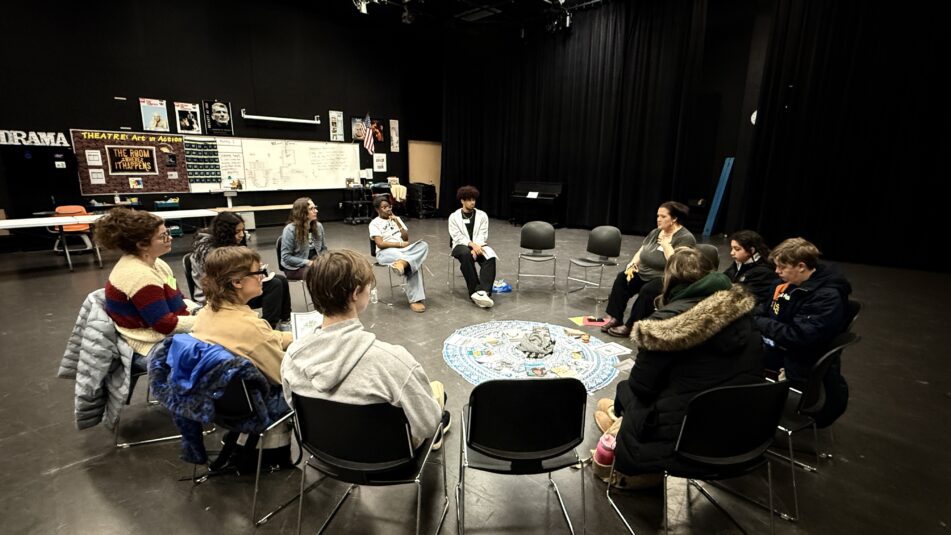
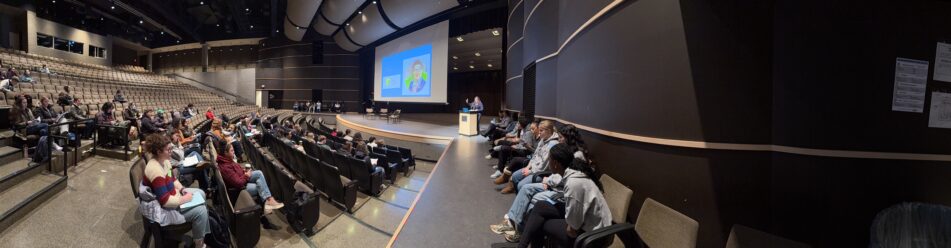
Skyline High School’s SkySquad program brought together students, educators, and community members on Friday for a Restorative Justice Practices Symposium, marking more than a decade of pioneering student-led conflict resolution work that has become a model for other schools.
The symposium featured a keynote address by restorative justice leader Belinda Dulin, interactive breakout sessions, and a community Q&A panel exploring how restorative practices intersect with anti-discrimination efforts in schools.
SkySquad: A student-led movement
What began in fall 2014 as a brainstorming session about conflict mediation has evolved into a comprehensive restorative justice program that prioritizes restoration over punishment. After Skyline staff attended a restorative practices symposium at the University of Michigan, they secured grant funding from The Dispute Resolution Center to train 16 students in a two-day intensive program.
Twelve years later, SkySquad has become an integral part of Skyline’s approach to school culture. The program now includes 22 student “Circle Keepers” and two faculty advisors who facilitate resolutions for student-to-student conflicts, teacher-student disagreements, classroom restorative circles, and community-building sessions. The program has achieved a notably high resolution rate, even adapting to conduct virtual circles when necessary.
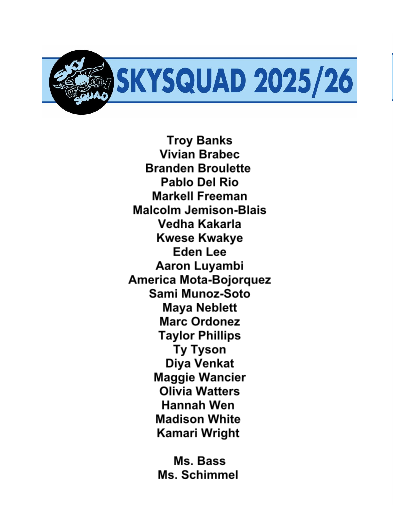
Principal Casey Elmore says the results speak for themselves, noting the program’s positive impact on the school’s culture, climate, and sense of belonging for both students and staff.
Over the 12 years the program has been running at Skyline, the school has kept suspension data relatively low while teaching healthy conflict-resolution skills to students throughout the building, Elmore said.
She acknowledged that student facilitators can often do things that adults simply can’t—or don’t have the skills to do—when it comes to reaching their peers and addressing conflict in meaningful ways.
“I am beyond proud of the work that our SkySquad, both our facilitators and our students, continue to do,” said Elmore.
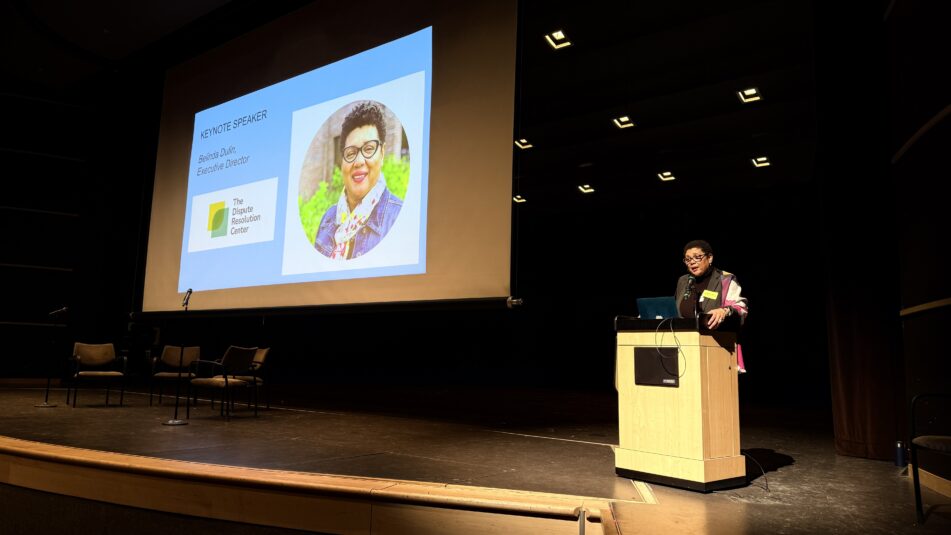
Keynote speaker Belinda Dulin, the Executive Director of The Dispute Resolution Center, trained Skyline’s first cohort of student facilitators over a decade ago, and spoke with pride about the program’s longevity. She emphasized that one of her key takeaways from the symposium was demonstrating that young people are fully capable of doing this complex work.
“I think that’s always a puzzle that we think kids are limited in their abilities,” she said.
Dulin said Skyline’s Restorative Justice program shows how a community provides care for one another, building connections that extend far beyond simply solving problems. She said she’s impressed that Skyline has sustained the program for 12 years, because programs like this often dissolve due to underfunding. The fact that the school continues to build out the program and demonstrate community care for their entire school community left her deeply moved, she said.
She said her hope for the symposium was to serve as a model and resource for other schools looking to create similar programs, thereby strengthening and broadening restorative practices throughout the community.
Most districts in Washtenaw County had adult and student representation at the symposium, and Plymouth-Canton Schools also joined.
SkySquad has expanded beyond conflict resolution to include a freshman mentorship program, pairing each Squad member with two incoming ninth-graders to ease their transition to high school. The program has also secured dedicated office space, offers class credit to participants, coordinates reduced-suspension plans with administration, and presents regularly at conferences and at the University of Michigan.
Students chosen for SkySquad undergo a rigorous interview process led by current members. Circle Keepers must demonstrate a passion for critical thinking, embrace their role as change agents and peacekeepers, and show the courage to be vulnerable and empathetic.
The Restorative Process
When conflicts arise, students can self-refer or be referred by friends, teachers, or administrators. SkySquad facilitates circles among students, between students and staff, among staff members, and even with whole classes—during the school day, wherever conflict arises. SkySquad members set up the space, escort participants from class, and conduct pre-conferences to ensure participation is voluntary and constructive. Students returning from suspension participate in re-entry circles designed to support their transition back to the school community.
Following each circle, facilitators debrief with advisors, administer surveys to participants, and establish ongoing check-ins as needed.
During the symposium, students gathered in discussion groups to reflect on what SkySquad has meant to them personally and to the broader school community.
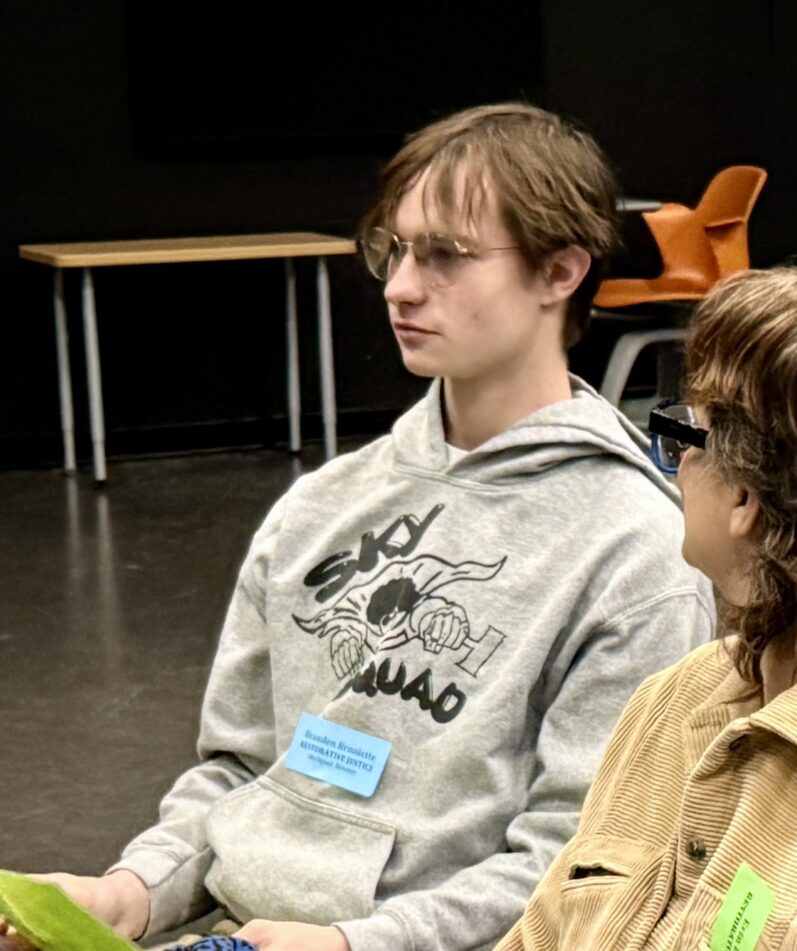
For senior Branden Broulette, joining SkySquad’s Restorative Justice program was about addressing a problem he saw affecting students across multiple grade levels. He noticed that many of his peers struggled with unresolved conflicts within their friend groups—not physical altercations, but breakdowns in communication that festered over time. The program’s circle process particularly resonated with him as a solution. In these circles, two or more people sit down together to talk through their issues, identify the root of the problem, and work toward resolution.
Senior Marc Ordonez has found that the skills he’s learned through SkySquad extend beyond the school building. When arguments happen at home with his sisters, he says he now has the tools to intervene constructively, stepping in as a mediator, asking siblings to take a break and cool down before bringing them back together to find a solution—a skill set he credits directly to his restorative justice training.
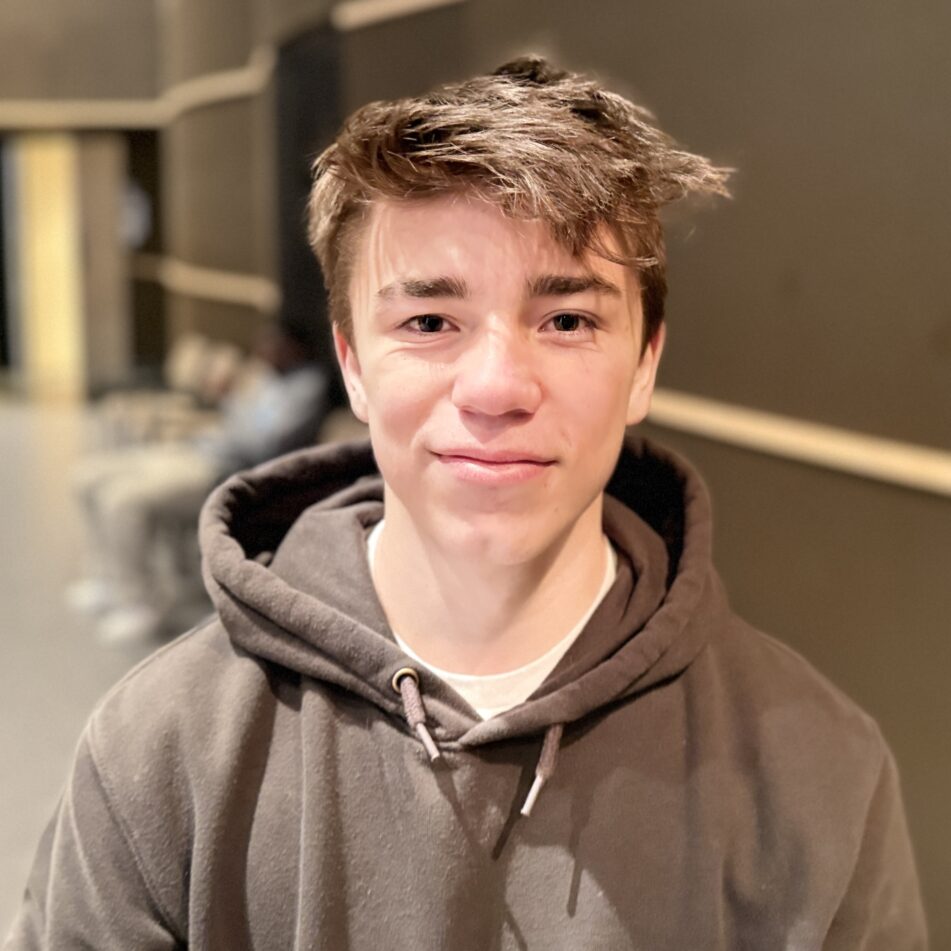
Pablo Del Rio, a junior, encourages other students to join programs like SkySquad, citing the personal growth he’s experienced.
“It’s definitely taught me a lot of good ways to deal with conflict,” he said, adding that before getting involved in restorative justice, he wasn’t particularly skilled at that. “Being able to have a good strategy for managing that stuff would really benefit everyone.”
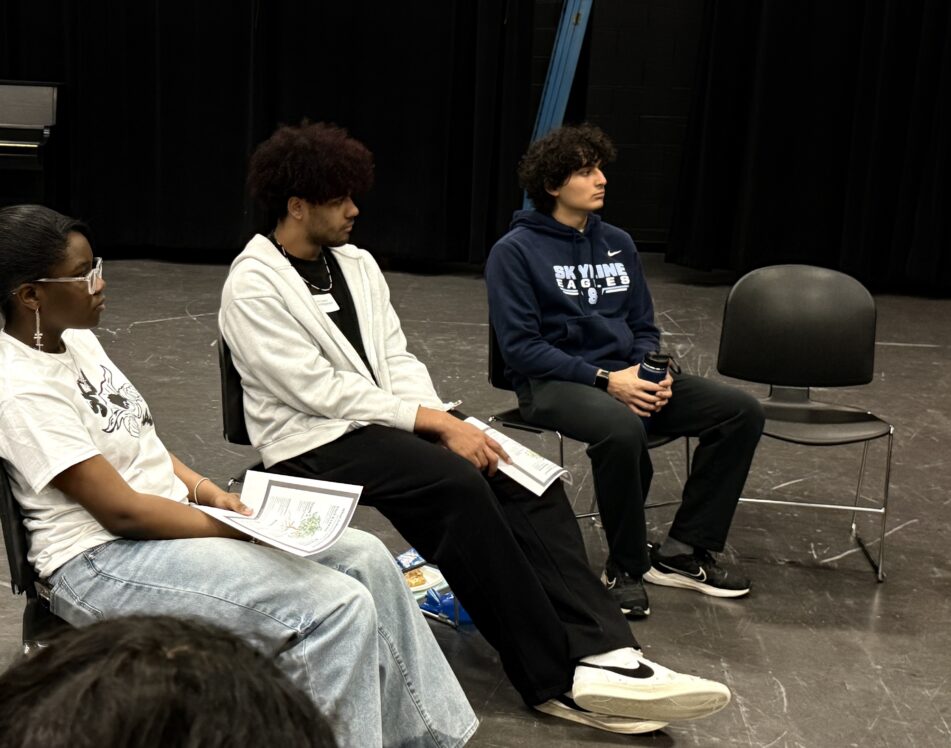
The symposium offered eight workshops across morning and afternoon sessions, covering both foundational concepts and practical implementation of restorative justice practices. The morning sessions explored the mechanics and real-world applications of restorative approaches, while afternoon workshops focused on getting started and developing specific skills.
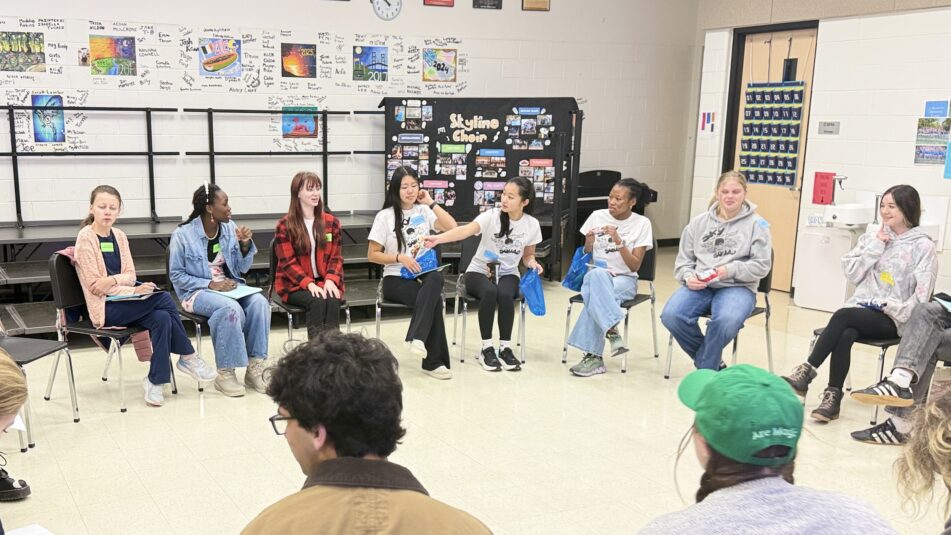
The morning lineup included a hands-on session on circle facilitation led by Lauren Fardig Diop, addressing practical challenges circle keepers face, such as maintaining neutrality and managing difficult dynamics.
Washtenaw County Prosecuting Attorney Eli Savit and Assistant Prosecuting Attorney Victoria Burton Harris presented on how restorative practices are being integrated into the local justice system.
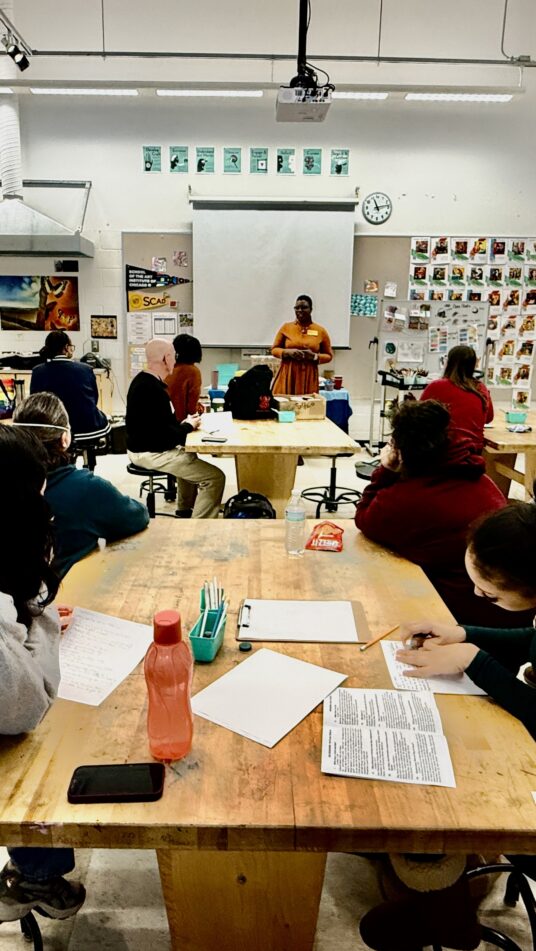
Skyline High School administrators and SkySquad advisors shared their school’s journey in launching a student-led restorative justice program, including both obstacles and successes. The Neutral Zone held a workshop on relationship-building as the foundation of restorative practices, offering community-building activities for participants to take back to their schools.
The afternoon sessions shifted toward implementation and skill development. Dulin provided a roadmap for launching restorative justice programs, drawing on her experience helping establish Skyline’s initiative through training, support, and grant development.
SkySquad students demonstrated circle facilitation techniques and explained their peer-mentoring program, offering attendees a student perspective on the work.
Two additional afternoon workshops addressed essential skills: Grace Sekulidis from the University of Michigan led an interactive session on conflict-resolution techniques and different types of restorative circles, while Skyline’s Learning Center showcased how peer tutoring embodies restorative principles through intentional connection strategies such as mirroring and paraphrasing.
The workshop structure provided attendees with a comprehensive view of restorative justice—from theoretical foundations and community impact to nuts-and-bolts implementation and the interpersonal skills that make these practices effective in educational settings.
Co-leaders are incredibly proud of the Restorative Practices Program
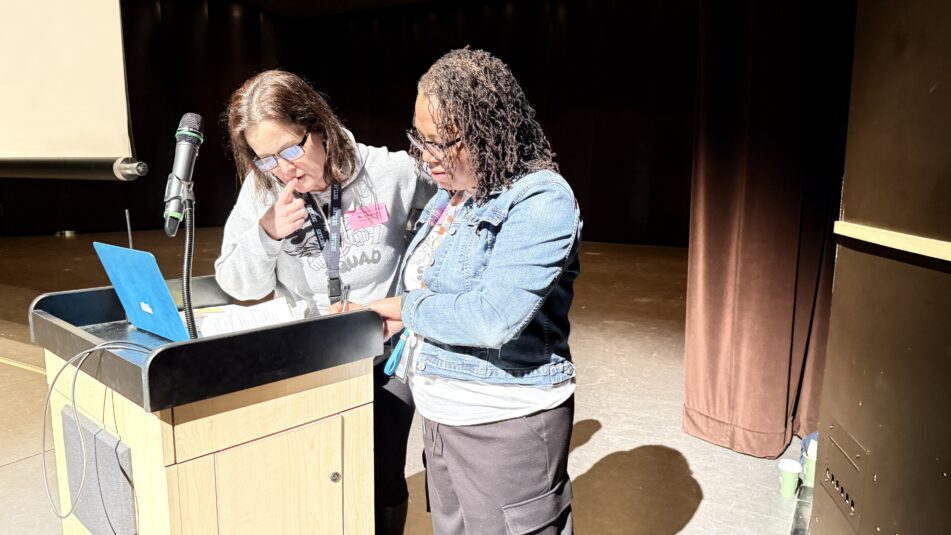
Charissa Bass and Heather Schimmel, co-leaders of the Restorative Practices Program, said they were thrilled to be able to offer the symposium to the community after planning it for the past two years.
“I’m inspired daily by the power of our students that we work with, and the power of the circle,” said Schimmel. “It definitely levels the playing field and makes sure that all voices are heard. I’ve observed some very powerful healing while facilitating circles. We’re very hopeful that other schools will develop similar programs.”
Skyline is unique in that Restorative Justice Practices are used every day, and students play a key role in leading that work, said Bass.
“Students facilitate restorative circles that address real conflicts,” she said. “That level of trust is powerful, and I am incredibly proud of it. Restorative Justice practices are about being intentional. It gives students an opportunity to take accountability for their actions, understand the impact of their actions, and repair harm in a meaningful way. My hope is that people walked away seeing Restorative Justice as a cultural shift, not a new policy. We see every day how this work improves our school community.”
Be the first to comment