

Longtime AAPS counselor reflects on the work of this crucial staff
By Jo Mathis/AAPS District News
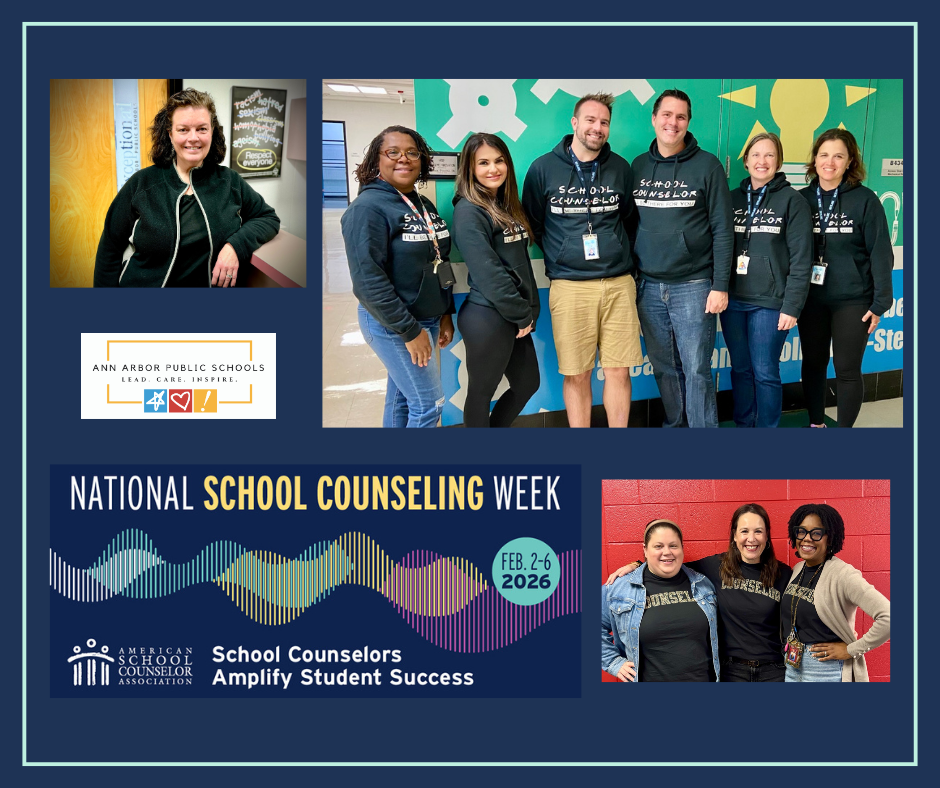
As National School Counseling Week arrives, Ann Arbor Public Schools celebrates the vital work of counselors who serve as advocates, coordinators, and confidential supporters for every middle and high school student in the district.
“School counselors’ primary role is to advocate for each and every student,” says Jacinta Nafziger, Skyline School Counselor and AAPS District Department Chair for School Counseling. “We want students and families to know they are not alone and that school counselors are available to listen, provide support, and guide them through challenges.”
The full scope of what school counselors do often remains invisible to those outside the school walls.
The Orchestra Conductor Behind the Scenes
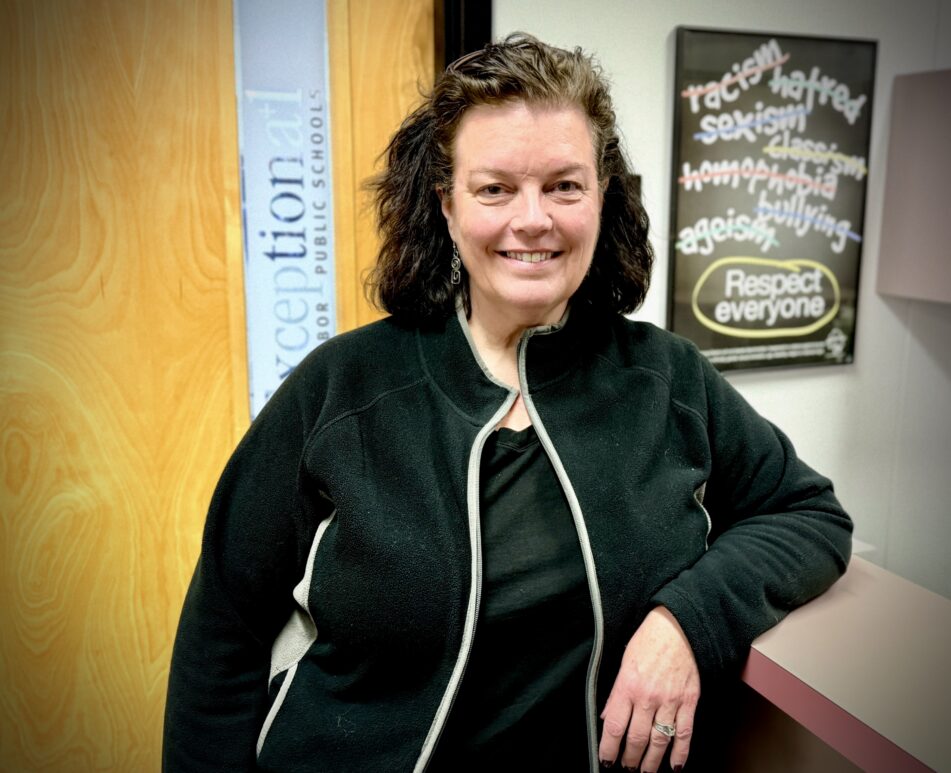
Diane Grant, who retired last week after serving as a counselor at Pioneer and Community High Schools and A2 Virtual, offers a metaphor for understanding the counselor’s role.
“If you think of it like an orchestra, the counselor is orchestrating how kids have access to their teachers and their classes,” Grant says, adding that without counselors working in the background, students wouldn’t necessarily be placed in appropriate classes based on their readiness and prerequisites. “Teachers would not have a cohesive group of kids in their classroom. Kids would just randomly sign up for this, that, and the other thing.”
This behind-the-scenes coordination extends far beyond scheduling. When a student accelerates into an Advanced Placement course but finds it overwhelming, they need someone to turn to. “They don’t go to those teachers. That’s kind of a conflict of interest,” Grant says. “They need an unbiased person, like a counselor.”
The Backbone of Schools
Grant describes school counselors as “the backbone to schools,” serving as the support structure that helps everything move smoothly while adapting to changes as they come. She chose to pursue her Master’s Degree in Counseling Education because she wanted to approach helping from a holistic perspective, empowering individuals based on where they are in life.
If a student has any emotional, social, or educational issues, they’ll approach a counselor, says Grant, who, in her role as Counselor for A2 Virtual+, worked with every school counselor in the district, supporting them with online options as alternatives for their students.
“Counselors hold significant information about students confidentially, connecting them to safety and resources while helping them progress toward their futures,” says Grant.
This holistic approach reflects Grant’s broader philosophy about education and life.
“I have learned that many people put too much value in numbers: how many years in education, what my test score is, what my GPA is, how much does this cost, did I invest enough, and more,” says Grant, who continues her commitment to counseling post-retirement through her private practice, Connecting the Dots Counseling “Numbers tell us a part of a bigger story. Numbers do not determine our value. Our job in life is to determine what to do with this numerical information and to make value in our lives as a result, not the other way around.”
“The School Counselors in Ann Arbor Public Schools do so much ‘behind the scenes’ to help our students,” Grant says. “I wish people knew how much School Counselors do.”
More Than Academics
While some people may remember “guidance” counselors as primarily focused on course scheduling and vocational training, school counselors support students comprehensively through data-driven programs.
Nafziger emphasizes that school counselors review information to better understand each student’s overall well-being, work as part of teams to support students who need academic accommodations, and connect families with resources both in school and throughout the community.

Supporting Every Student
The reach of AAPS school counselors is extensive. According to Nafziger, every middle and high school student in Ann Arbor Public Schools has a school counselor. While some buildings have one or two counselors, the comprehensive high schools have at least six counselors on their teams.
These counselors help students navigate conflicts through restorative practices, advise on post-secondary plans, and bridge the connection between current academics and future goals.
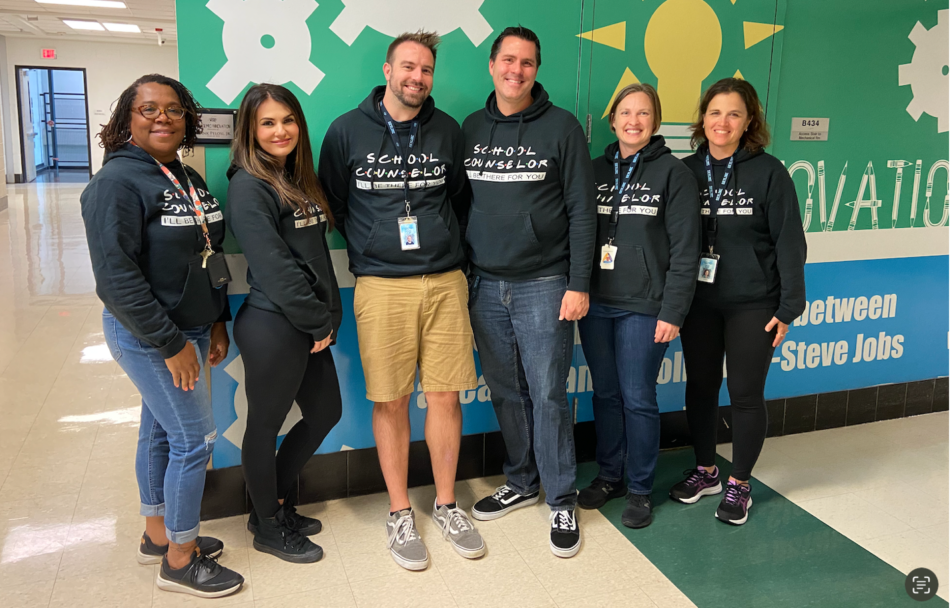
“Whether students are facing academic difficulties, mental health concerns, or planning for life after high school,” says Nafziger, “school counselors are committed to helping students address barriers to their success.”
Other AAPS District News stories that highlight the work of school counselors:
Be the first to comment